
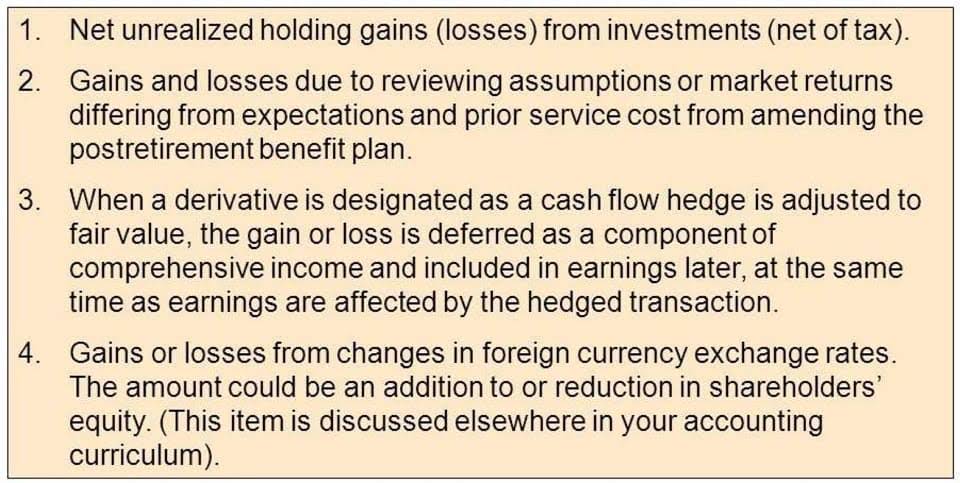
It’s easy to mix up cash flow with profit and working capital, so it’s important to distinguish the difference. Cash flow is the broad term representing the full amount of both income and expenses of your business; so Accounting for Churches it does not necessarily determine your profit. Implementing these strategies effectively can lead to substantial improvements in a company’s cash flow, ensuring it has the resources required for smooth operations and growth. Changes in taxation, labor laws, and industry regulations can affect cash flows by altering operational costs and financial obligations. The terms of debt, including interest rates and repayment schedules, directly impact cash outflow through debt service requirements. The terms under which credit is offered to customers can impact the timing and certainty of cash inflows.
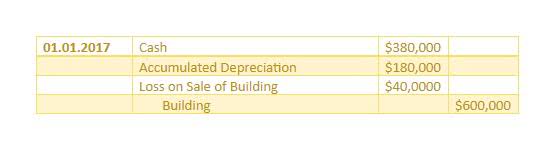
Investing activities
The startup also diversified income by launching a rental program for outdoor equipment, creating a steady cash inflow even during off-peak times. These platforms automate much of the data entry by syncing with bank accounts, generating invoices, and tracking bills. Finally, periodically reviewing inflow trends and customer payment behavior enables businesses cash inflow vs outflow to identify problem areas and adjust strategies accordingly.
Utilizing Financial Statements for Cash Management
Under U.S. GAAP, interest paid and received are always treated as operating cash flows. You might have the best business idea, a loyal customer base, or even growing profits, but none of that matters if there’s no money actually coming into your account. A rule of thumb is to have enough cash left after expenses (cash outflow) to cover the operational costs for the next three to six months. Calculating total cash outflows from all the activities is quite simple.
Best Practices for Monitoring Cash Flow

It’s essential for any business to keep track of its cash flow to ensure financial stability. A healthy business isn’t just about maximising income; it’s about intelligently managing what goes out. Effective cash flow management for small business involves treating your expenses with the same strategic focus as your sales. Does your profit and loss statement tell a story of success, while your bank account tells a very different, more stressful tale?
- A positive cash flow guarantees that business operations can run smoothly and without problems.
- A great way to manage your cash flow is to have accounting frameworks in place that give you clear insight into your cash inflow vs outflow.
- The balance between these two determines a company’s overall cash flow position.
- Regularly monitoring cash flow statements and forecasting future trends also helps in managing cash effectively.
- However, this same balance will also be referred to as the opening balance for the month of April.
- Cash flow from operating activities refers to cash entering or leaving your business as part of your regular business activities, namely the creation and sale of your products and services.
- By automating routine tasks such as bank reconciliation and transaction processing.
- Cash flow encompasses the total volume of money entering and exiting your business.
- For long-term engagements, implement progress payments tied to specific milestones.
All you need to do is calculate cash outflow from each of the activities individually and then add all the activities to get the desired figure. https://www.bookstime.com/ Cash inflow defines the amount of money the company earns through any activity that leads to revenue generation. A common example is the money generated from the sale of goods and services. Moreover, return on investment, financing, and positive investments lead to an influx of money. For further guidance on enhancing cash flows, check out this in-depth video on cash flow forecasting.
In Australia, small to medium enterprises (SMEs) often face specific cash flow hurdles. Late-paying clients can severely strain service-based businesses, while unexpected expenses or poor budgeting for lumpy costs like quarterly BAS payments can catch many off guard. Other common issues include tying up too much capital in slow-moving inventory or over-investing in new assets before the business has the stable cash flow to support it. Consistent monitoring, accurate forecasting, and strategic adjustments to both inflow and outflow are critical practices. Using the right tools, implementing efficient processes, and learning from real-life experiences help businesses maintain a healthy cash flow balance.

